Skill game compliance is one of the most important topics for operators, and it is also one of the easiest to oversimplify. A game board may look suitable for one market, but that does not mean it is appropriate for every state, county, city, or venue. Rules can change, enforcement approaches can differ, and product features can affect how a machine is viewed. Before buying a skill game board, operators should understand the basic questions they need to ask. Good preparation can reduce risk, improve communication with suppliers, and help locations make more informed decisions.
The first point is simple: compliance is local. There is no single national rule that tells every operator exactly what is allowed in every location. Skill games may be treated differently depending on state law, local ordinances, court decisions, enforcement priorities, and the exact structure of the game. A product that is commonly used in one market may require a different review in another. For that reason, operators should never rely only on general statements such as "skill games are legal" or "this board works everywhere." Those claims are too broad for a serious business decision.
Operators should begin by identifying the jurisdiction where the machine will be placed. That means more than the state. It can also mean the county, city, and type of venue. A bar, convenience store, private club, game room, or family entertainment center may be treated differently depending on local rules. Before purchase, operators should ask whether the location has existing permits, whether amusement machines are already present, and whether the local authority has issued guidance about skill games or similar devices.
Buying Context
The second step is to understand the game category. People often use terms like skill game, amusement game, sweepstakes, nudge game, redemption game, and jackpot game as if they mean the same thing. They do not. A skill game generally depends on player action, timing, choice, or judgment in a meaningful way. A nudge-style game may involve a specific player-controlled action that affects the outcome. A jackpot feature may introduce additional questions depending on how it works. An amusement game may be treated differently if it does not award cash or prizes. Operators should learn the correct terminology before speaking with suppliers, landlords, or advisors.
The actual gameplay matters. A product should not be evaluated only by its name. Review how the player starts the game, what choices the player makes, how the outcome is determined, what role skill plays, and whether any prize, credit, or reward is involved. If a board includes adjustable settings, operators should understand what those settings do and whether changing them affects compliance. A small software setting can sometimes make a large legal difference. This is why technical support and documentation are important.
Documentation should be part of the buying process. Operators should ask suppliers for product information, setup guidance, feature descriptions, and any state-specific notes that may help with internal review. Documentation does not replace legal advice, but it can help an attorney, consultant, or local authority understand the machine more clearly. Clear documentation can also help operators train staff and maintain consistent settings across multiple locations.
Supplier experience is another major factor. A supplier that only sells boards may not be enough for operators who are navigating compliance-sensitive markets. Buyers should look for a company that understands its products, can explain the difference between game types, and provides technical support after the sale. Master Panda presents itself as an official developer of original game boards and promotes lifetime technical support. For operators, that support can be useful when questions arise about setup, configuration, game behavior, or cabinet compatibility.
Operational Checks
State-focused resources can also help buyers ask better questions. Master Panda's site includes guidance aimed at markets such as Pennsylvania and Georgia, and it also presents Xtreme Skill 777 as a product designed for skill-oriented play. These resources can give operators a starting point for research. However, they should be treated as product and market guidance, not a legal conclusion. Operators should still confirm the current rules in their own jurisdiction before installing machines.
Pennsylvania is often discussed in relation to skill games, and it is a good example of why operators need current local review. The market has seen ongoing legal and regulatory attention, and operators should not assume that old information remains accurate. If a buyer plans to operate in Pennsylvania, they should review current state guidance, consult professionals who understand the market, and choose products that are designed with skill-based operation in mind. They should also keep records of product settings and supplier communications.
Georgia is another market where operators should be careful. Certain amusement and skill-based devices may be subject to specific rules, registration requirements, or operational limits. Buyers should understand whether their location type is appropriate, whether the cabinet and board configuration match local expectations, and whether any prize or payout structure creates additional obligations. A state-focused product page can help with initial education, but final decisions should be based on current rules and qualified advice.
Operators in Virginia, Kentucky, and other states should take the same disciplined approach. Even if a product has a strong reputation, each market has its own questions. What matters is not only the product name, but how the game works, where it is placed, how it is configured, and what the location does with credits or rewards. For route operators, this can be more complex because one route may cross multiple jurisdictions. A board that is appropriate for one account may need review before being placed in another.
Compliance And Support
Before buying a board, operators should create a compliance checklist. The first item is jurisdiction: where exactly will the machine operate? The second item is venue type: what kind of business will host it? The third item is game design: what role does player skill play? The fourth item is reward structure: are credits, prizes, or payouts involved? The fifth item is configuration: which settings affect gameplay or awards? The sixth item is documentation: what written product information is available? The seventh item is support: who can help after installation?
Cabinet setup should be included in that checklist. Compliance is not only about software. The full machine includes the board, cabinet, monitor, controls, bill acceptor, printer, wiring, and any external signage or instructions. The way a player interacts with the machine can influence how the product is understood. Clear controls, accurate screen information, and consistent settings can help operators avoid confusion. Staff should also know how the machine is intended to operate and who to contact if there is a problem.
Operators should also keep records. Save invoices, product descriptions, serial numbers, settings notes, support messages, and installation dates. If a question arises later, these records can help show what product was purchased, how it was configured, and who provided support. For larger operators, consistent recordkeeping across locations can reduce confusion and make maintenance easier. It also helps when replacing boards or moving machines between venues.
It is important to avoid shortcuts. Buying an unclear copy board from an unknown supplier may create problems beyond ordinary reliability issues. If the software cannot be explained, if no one can support the board, or if the product has no clear developer behind it, operators may struggle to answer basic questions. Original boards from an established supplier can provide a clearer path. They also make it easier to get help when technical or configuration questions appear.
No article can tell every operator what is permitted in every location. Compliance requires a combination of current legal review, product understanding, responsible setup, and supplier support. What operators can do is build a better process before they spend money. They can ask better questions, compare products more carefully, keep records, and avoid assumptions. That process protects both the business and the location relationship.
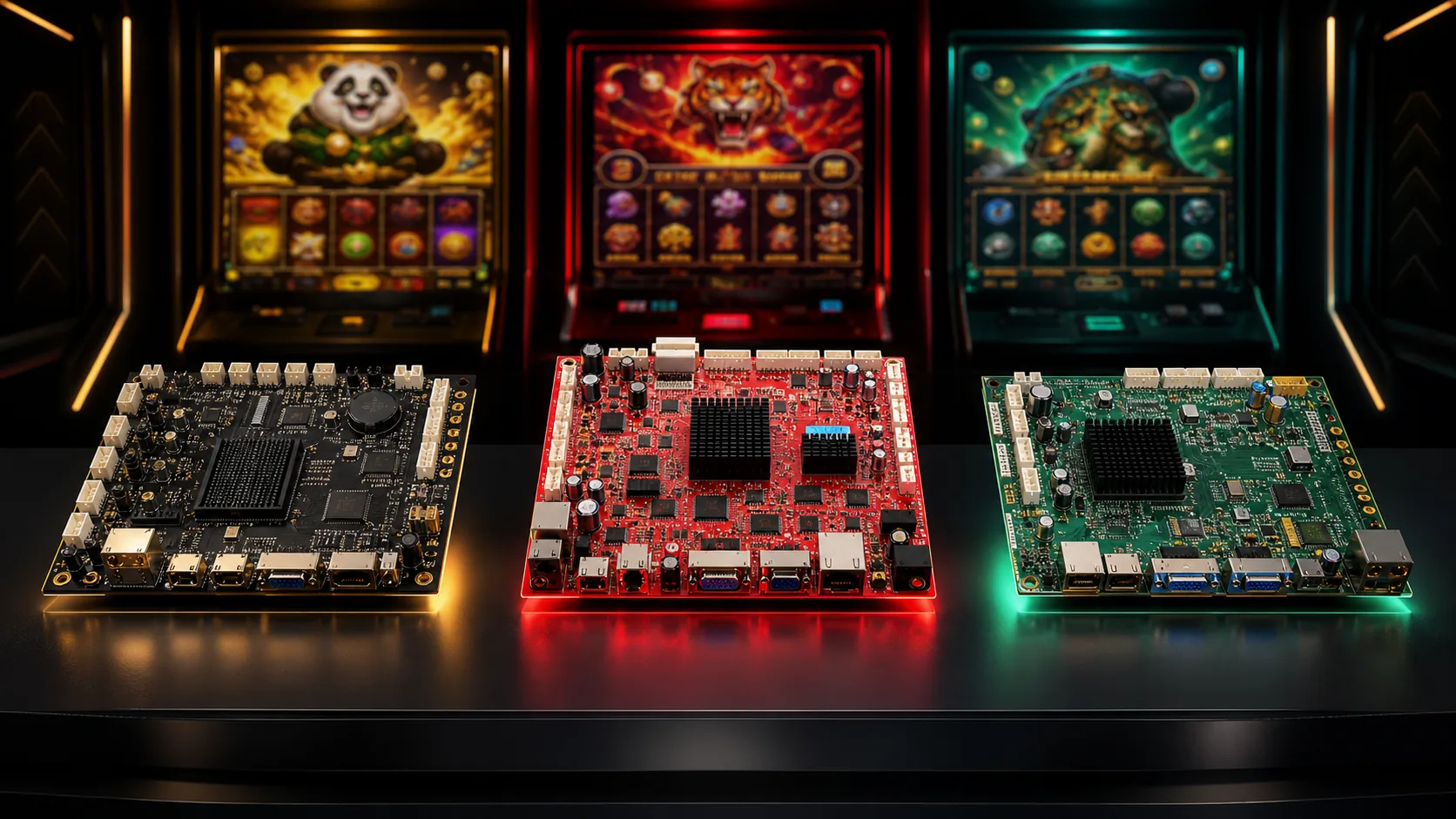
For operators evaluating Master Panda boards, the next step is to match the product to the market. Panda Link, Xtreme Link, and Wild Link may be appropriate for locations looking for multigame entertainment and cabinet upgrades. Xtreme Skill 777 may be worth reviewing for buyers focused on skill-oriented markets. State guidance pages can help operators begin research for Pennsylvania, Georgia, and other regions. From there, local review and qualified advice should guide the final installation decision.
Skill game compliance is not a one-time box to check. It is an ongoing part of operating responsibly. Rules can change, locations can change, and products can be updated. Operators who treat compliance as part of their purchasing and maintenance process will be better prepared than those who wait until a problem appears. Start with the jurisdiction, understand the product, document the setup, and work with a supplier that can support the board after it is installed.
Contact Master Panda to discuss skill game board options, cabinet compatibility, and product guidance for your market.
Contact Master Panda