Choosing a skill game board is not just a parts purchase. For bars, game rooms, route operators, convenience stores, and entertainment locations, the board affects uptime, player experience, service calls, cabinet compatibility, and long-term earning potential. A board that looks inexpensive on day one can become expensive if it creates downtime, compatibility problems, or support delays. That is why operators should look beyond the price tag and evaluate whether the board is original, supported, easy to install, and suitable for the locations where it will be used.
An original skill game board gives operators a stronger foundation. Original boards are designed with more predictable software behavior, clearer configuration options, and a more reliable technical support path. When a board is copied, modified, or sourced from an unclear supplier, the operator may not know who built the software, who can troubleshoot a fault, or whether future replacements will match the same configuration. For a single location, that can be frustrating. For a route with multiple machines, it can become a serious operational problem.
Before buying any board, operators should first understand the cabinet and hardware environment. A skill game board needs to match the cabinet's wiring, monitor, touchscreen, buttons, bill acceptor, printer, and other installed parts. Some cabinets use common 36 pin or 10 pin connections. Others may require additional harnesses or configuration work. Screen output is also important. A board that supports modern video output, such as HDMI and 1080p resolution, can make games look sharper on updated cabinets, while older monitor setups may need different compatibility considerations.
Buying Context
The second factor is game style. Different venues attract different players. Some players enjoy fast multigame menus with colorful titles and familiar bonus features. Others prefer skill-based or nudge-style play that is better aligned with certain local requirements. A bar might want a compact, exciting board that keeps regular customers engaged between drinks and events. A larger game room may want more variety, shared jackpot features, or a board that can anchor a row of machines. A route operator may need a reliable mix that works across several location types without creating too much service complexity.
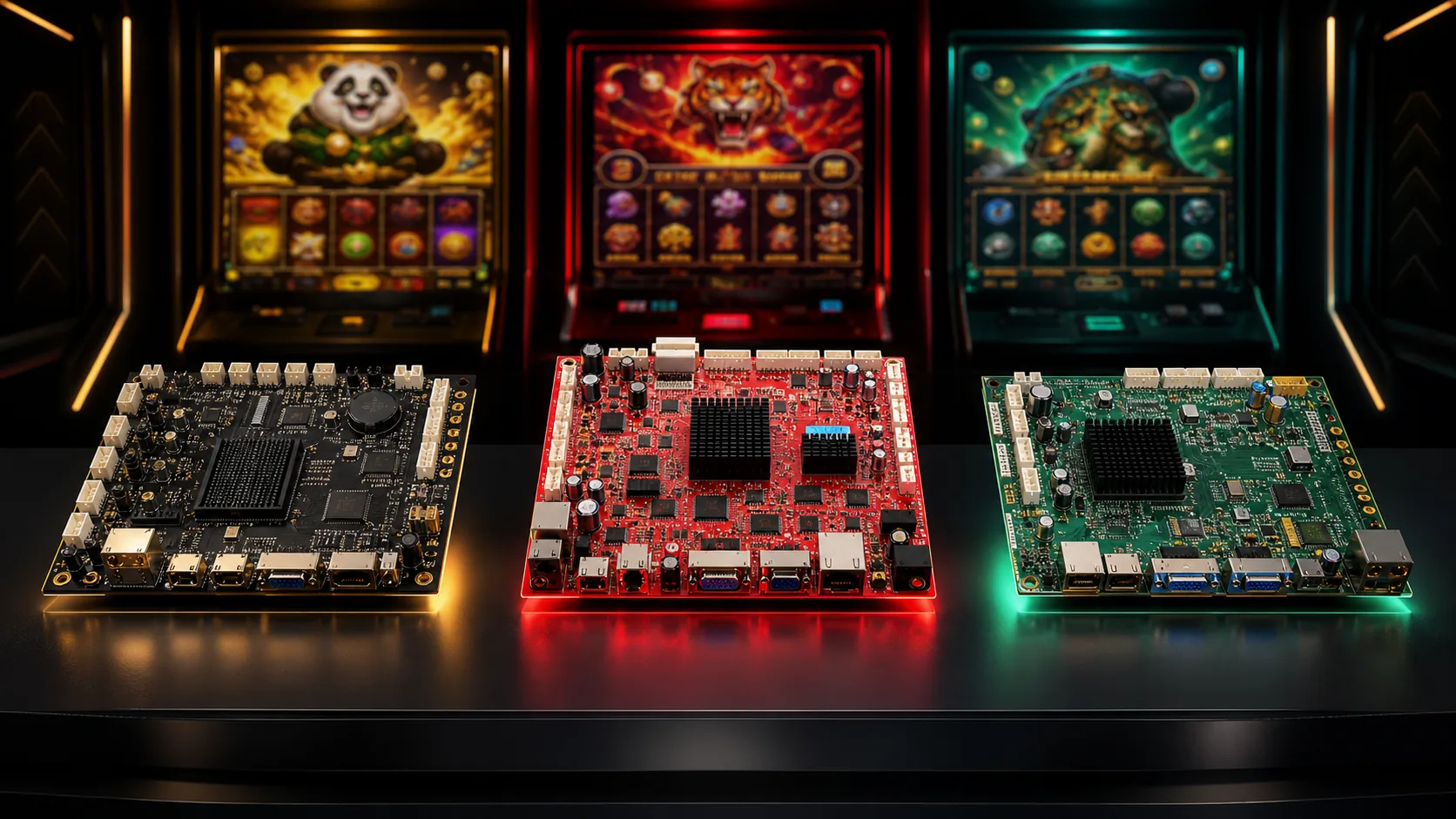
This is where product selection matters. A multigame board can help locations offer variety without constantly changing hardware. Boards such as Panda Link, Xtreme Link, and Wild Link are positioned for operators who want engaging game menus, strong visual presentation, and flexible use across entertainment venues. A board like Xtreme Skill 777 is better suited for operators who need a skill-oriented experience and want to focus on markets where game design and compliance considerations are especially important. The right choice depends on both player preference and the local operating environment.
Operators should also evaluate how quickly they can receive the product. In this business, timing matters. A machine sitting empty or out of service is not producing. If a board fails, if a location is opening, or if a route is expanding, waiting weeks for overseas shipment can be a major disadvantage. Suppliers with inventory in a U.S. warehouse can reduce waiting time and make it easier for operators to plan installs. Master Panda highlights 24 hour shipping from a U.S. warehouse, which is a meaningful advantage for buyers who need to test, replace, or expand quickly.
Minimum order quantity is another practical detail that deserves attention. Some suppliers require operators to buy several boards at once. That can be difficult for a new business, a small location, or an operator testing a new market. A no MOQ policy gives buyers more flexibility. They can start with one board, test it in a real location, gather player feedback, and then scale with more confidence. For route operators, this can also make product testing more disciplined. Instead of committing to a large order before seeing location performance, they can introduce a board gradually.
Operational Checks
Technical support is just as important as shipping speed. Skill game boards are electronic products installed in real cabinets, often in busy public locations. Even good products can require setup help, troubleshooting, parameter adjustment, or compatibility guidance. When a supplier provides lifetime technical support, operators get more than a board. They get an ongoing support relationship. This can reduce stress for new buyers and save time for experienced operators who want direct answers when a machine needs attention.
When evaluating support, buyers should ask specific questions. Can the supplier help with installation? Can they explain board settings? Do they understand the difference between cabinet types? Can they assist with common issues such as no display, touchscreen mismatch, button mapping, bill acceptor communication, or printer setup? Do they provide guidance before purchase, or only after payment? Clear support is especially valuable when buying multiple boards for different locations, because every cabinet may not be identical.
It is also worth considering how the board is presented to players. Game content should look clean, current, and easy to understand. A crowded or outdated menu can make a machine feel old even if the hardware is new. High definition graphics, responsive controls, and a stable game flow can make a location feel more professional. For repeat players, small details matter: loading speed, smooth animations, familiar button behavior, visible credit display, and clear game selection. A board that feels polished can help improve player trust and time on machine.
Compliance should be part of the buying process from the beginning. Skill game rules can vary by state, county, and local enforcement approach. Operators should not assume that one board is appropriate everywhere. Instead, they should review the local rules, understand the difference between amusement games, skill games, sweepstakes-style systems, nudge games, and jackpot features, and speak with qualified local counsel when needed. Product pages and supplier guidance can help operators ask better questions, but they should not replace legal review.
Compliance And Support
A responsible supplier should understand that operators care about compliance. Master Panda's site includes state-focused guidance for areas such as Pennsylvania and Georgia, which suggests that the company is speaking to buyers who operate in different legal environments. That kind of content can be helpful when buyers are narrowing product options. However, operators should still verify the current rules in their own market before installing any board.
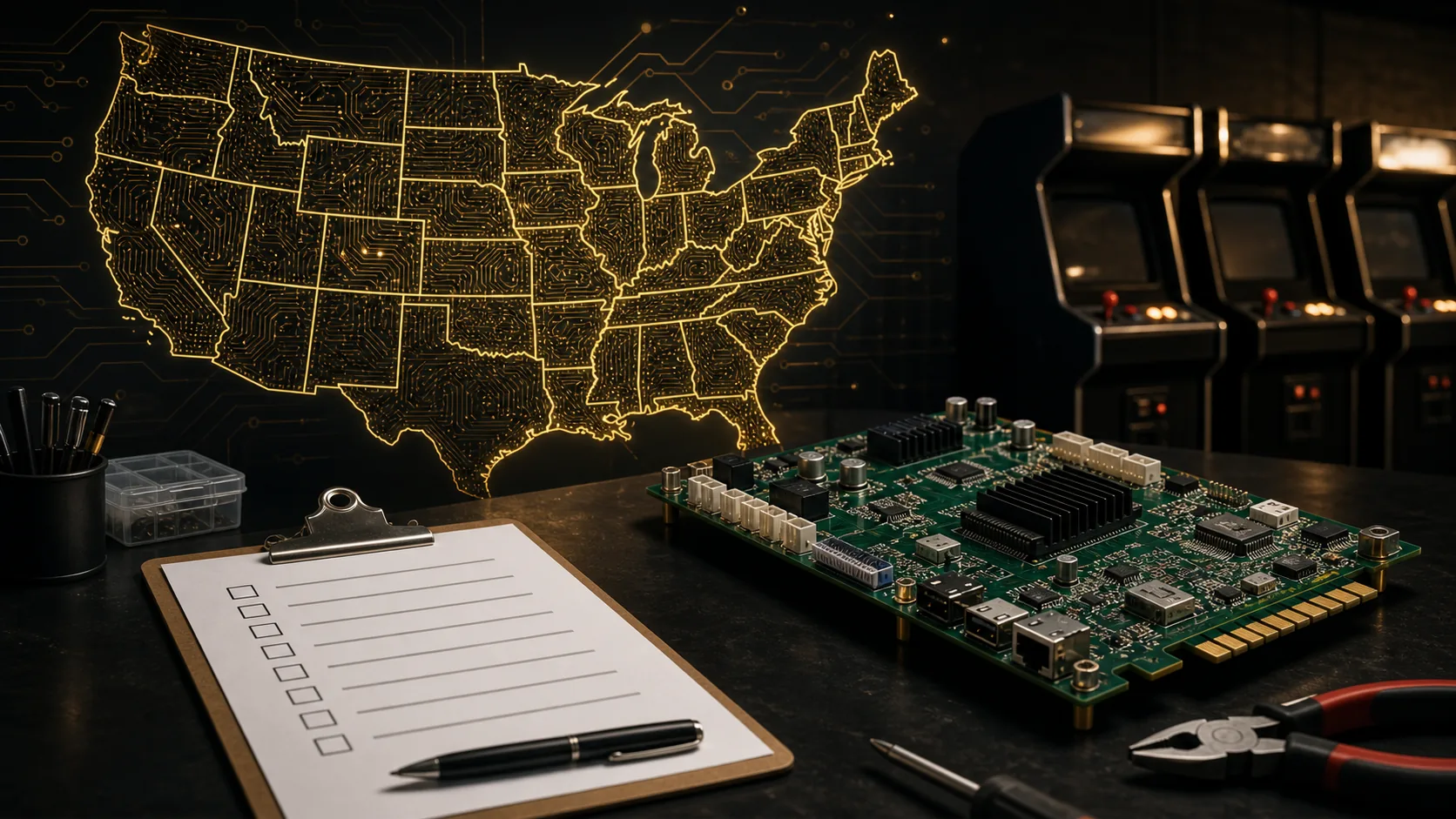
For buyers comparing options, the best approach is to make a short checklist. First, confirm the cabinet type and wiring. Second, identify the preferred game style for the location. Third, ask whether the board is original and supported by the developer. Fourth, confirm shipping speed and inventory location. Fifth, check whether there is a minimum order quantity. Sixth, ask what technical support is available after purchase. Seventh, review local compliance requirements before installation.
In many cases, the lowest priced board is not the best long-term value. A better board can reduce downtime, improve player experience, simplify support, and help operators test new locations with confidence. Original boards from a supplier with U.S. warehouse shipping, no MOQ, and lifetime technical support can be especially useful for buyers who want flexibility without giving up reliability.
If you are choosing a board for a bar, game room, route, or entertainment venue, start with the machine environment and the player profile. Then match the product to the venue's needs. For multigame variety, review options such as Panda Link, Xtreme Link, and Wild Link. For skill-oriented markets, review Xtreme Skill 777 and the relevant state guidance. When the right board, cabinet, support, and compliance plan come together, operators have a stronger path to stable performance and long-term growth.
Contact Master Panda to ask which original skill game board fits your cabinet, location type, and market requirements.
Contact Master Panda